Common Types Of Personal Injury Claims In Lismore
Many people who suffer an injury never initially consider speaking with a lawyer because they assume the incident was simply “bad luck” or that compensation only applies in extreme cases. In reality, a wide range of injuries may give rise to a legal claim under NSW law — particularly where another person, business or organisation failed to take reasonable care.
For residents across Lismore and the Northern Rivers, understanding the most common types of personal injury claims can help answer one important question: “Do I potentially have a case?”
This guide explains several common injury claim types, how responsibility is determined and when it may be appropriate to seek advice from
personal injury lawyers in Lismore.
Important:
This article provides general information only and should not be considered legal advice. Personal injury claims depend on individual circumstances and applicable NSW legislation. Anyone seeking advice about a potential claim should speak directly with a qualified legal professional.
What Is a Personal Injury Claim?
A personal injury claim is a legal process where an injured person may seek compensation after suffering harm caused by another party’s negligence, actions or failure to meet legal responsibilities. Depending on the circumstances, compensation may potentially relate to:
- Medical expenses
- Lost income
- Rehabilitation costs
- Pain and suffering
- Ongoing care requirements
Under NSW law, different claim types follow different legal rules, time limits and insurance processes.
Motor Vehicle Accident Claims
Motor vehicle accidents are among the most common personal injury matters handled by personal injury lawyers in Lismore. Injuries may result from:
- Car accidents
- Motorcycle collisions
- Pedestrian accidents
- Bicycle accidents
- Truck or heavy vehicle crashes
Even relatively minor accidents can lead to long-term physical or psychological effects.
Who May Be Responsible?
Responsibility depends on how the accident occurred. Potentially liable parties may include:
- Another driver
- An employer operating fleet vehicles
- A commercial transport operator
- In some cases, road authorities
NSW’s compulsory third party (CTP) insurance scheme may allow injured people to pursue certain benefits and compensation following motor vehicle accidents.
Common Injuries in Vehicle Accidents
- Whiplash and neck injuries
- Back and spinal injuries
- Fractures
- Psychological trauma
- Head injuries
Because claim eligibility and entitlements vary depending on fault and injury severity, obtaining legal advice early can help clarify available options.
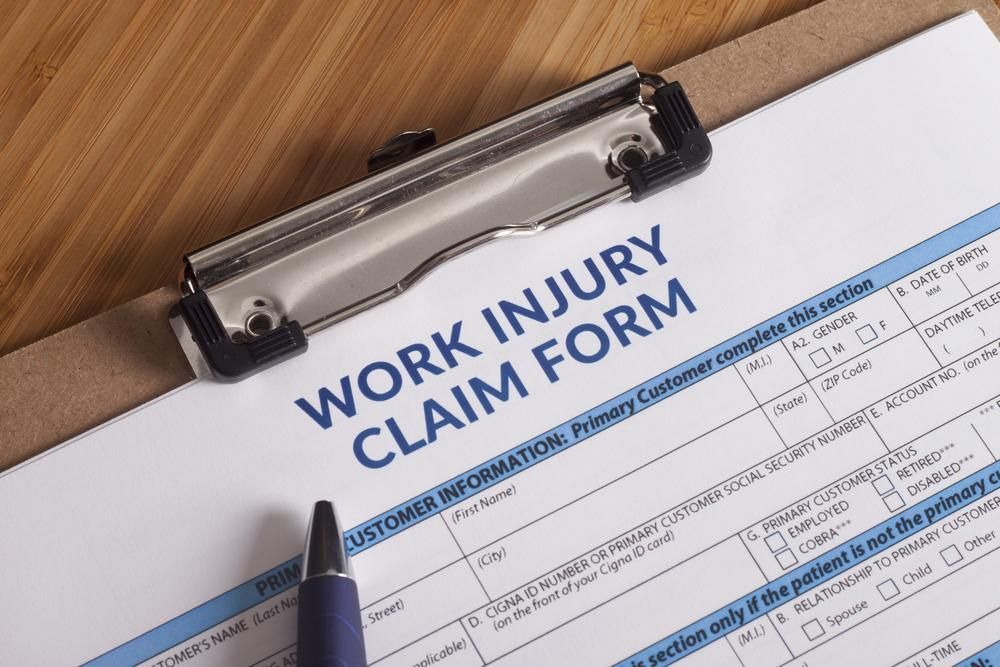
Workplace Injury Claims
Workplace injuries remain a major source of compensation claims across regional NSW. Lismore and surrounding areas include workers employed in industries such as:
- Construction
- Agriculture
- Healthcare
- Transport
- Manufacturing
- Hospitality
Work injuries may happen suddenly or develop gradually over time.
Common Workplace Injury Examples
- Falls from heights
- Machinery accidents
- Lifting injuries
- Repetitive strain injuries
- Psychological injuries caused by workplace stress or bullying
In NSW, injured workers may be entitled to workers compensation benefits regardless of who caused the injury, provided the injury arose out of employment.
When Additional Claims May Arise
In some circumstances, injured workers may also have rights beyond standard workers compensation benefits, particularly where:
- Employer negligence contributed to the injury
- Safety obligations were breached
- Long-term impairment exists
These matters can be legally complex, which is why many people seek advice from lawyers after serious workplace injuries.
Public Liability Claims (Slips, Trips and Falls)
Public liability claims arise when someone is injured in a public or private space because reasonable safety precautions were not taken. These claims commonly involve:
- Slips on wet floors
- Falls caused by uneven surfaces
- Poor lighting
- Unsafe stairways
- Falling objects
Injuries can occur in:
- Shopping centres
- Supermarkets
- Cafés and restaurants
- Footpaths
- Rental properties
- Public venues
How Responsibility Is Determined
Property owners and occupiers generally owe visitors a duty of care to maintain reasonably safe premises. A claim may depend on factors such as:
- Whether hazards were known or should have been identified
- Whether reasonable steps were taken to reduce risk
- Whether warnings or maintenance were adequate
Evidence is often important in these cases, including photographs, witness details and incident reports.
Medical Negligence Claims
Medical negligence claims involve allegations that a healthcare provider failed to meet appropriate professional standards, resulting in harm. These claims can be particularly complex and often require detailed medical evidence.
Examples May Include:
- Misdiagnosis or delayed diagnosis
- Surgical errors
- Medication mistakes
- Inadequate treatment or follow-up care
- Birth injuries
Not every poor medical outcome automatically amounts to negligence. The key legal issue is generally whether the treatment fell below accepted professional standards and caused avoidable harm.
Why These Claims Are Complex
Medical negligence matters often involve:
- Independent medical opinions
- Detailed expert evidence
- Complex legal and medical issues
Because of this, obtaining experienced legal advice is usually essential before proceeding with a claim.
Psychological Injury Claims
Not all personal injuries are physical. Psychological injuries may arise from:
- Workplace bullying or harassment
- Traumatic accidents
- Violence or assaults
- Exposure to distressing events
Conditions such as anxiety, depression or post-traumatic stress disorder (PTSD) may sometimes support compensation claims depending on the circumstances. Psychological injury claims are often subject to additional evidentiary requirements under NSW law.
What Evidence Helps Support a Personal Injury Claim?
While every matter differs, helpful evidence may include:
- Medical records
- Accident reports
- Photographs
- Witness statements
- Employment records
- Financial documentation
Early documentation can help preserve important details that may later become relevant to a claim.
Time Limits Apply to Personal Injury Claims
One of the most important things injured people should know is that legal time limits often apply. Different claim types have different limitation periods under NSW law. Delaying action may affect:
- Eligibility to claim
- Availability of evidence
- Access to compensation entitlements
Seeking legal advice early helps clarify applicable timeframes and obligations.
Why Many People Delay Seeking Advice
Many injured people hesitate to contact a lawyer because they:
- Assume the injury is not serious enough
- Worry about legal costs
- Don’t realise compensation may be available
- Hope the problem will resolve on its own
Unfortunately, delays can sometimes make claims more difficult later. Speaking with personal injury lawyers in Lismore can help individuals better understand their rights and available options without committing to legal action immediately.
Local Conditions Can Influence Injury Risks
Regional communities like Lismore and the Northern Rivers face unique conditions that may contribute to personal injury risks, including:
- Flood-related hazards
- Rural road conditions
- Agricultural work environments
- Construction and manual labour industries
Understanding these local factors helps lawyers assess how injuries occurred and what legal obligations may have applied.
When Should You Speak to a Lawyer?
It may be worth seeking legal advice if:
- You suffered significant physical or psychological injury
- Medical treatment or time off work was required
- Another party may have contributed to the incident
- An insurer has disputed liability
- You are unsure about your legal rights
Every situation is different, and legal advice tailored to your circumstances is important before making decisions about a claim.
Understanding Your Options After an Injury
Personal injury claims are rarely straightforward, particularly when someone is already dealing with medical treatment, financial pressure or uncertainty about the future.
Whether the injury resulted from a motor vehicle accident, workplace incident, public liability issue or medical negligence, understanding your legal position early can help you make more informed decisions.
For people seeking guidance from personal injury lawyers in Lismore, obtaining advice specific to your individual circumstances can help clarify potential entitlements, responsibilities and next steps under NSW law. Contact Tony Love Lawyers to arrange a consultation.