
Motor Vehicle Accident Claims In Ballina: What The CTP Scheme Actually Covers
If you’ve been injured in a road accident in NSW, you’ve probably heard that CTP insurance should cover you — but what that actually means in practice is something people might not find out until they’re already in the middle of a claim. The most common misconception personal injury lawyers in Ballina encounter is that CTP covers vehicle damage. It doesn’t. Compulsory Third Party insurance is specifically and exclusively a personal injury scheme — and understanding what it does and doesn’t cover before you start the process can make a significant difference to the outcome of your claim.
What CTP Insurance Actually Is
Every registered vehicle in NSW pays a CTP premium as part of registration. That premium funds a scheme designed to compensate people who are injured in motor vehicle accidents — not to repair vehicles or cover property damage, which is what comprehensive car insurance is for.
The NSW CTP scheme is administered by the State Insurance Regulatory Authority (SIRA) and managed through licensed private insurers. When an accident occurs, the CTP insurer of the at-fault vehicle is responsible for compensating injured parties. In situations where fault is unclear or the at-fault vehicle is unregistered or unidentified, the Nominal Defendant — a government-funded body — steps in.
Importantly, the scheme covers more than just drivers. Passengers, cyclists, pedestrians and motorcycle riders injured in a motor vehicle accident may all be entitled to make a claim. Fault is relevant to the level of entitlements available, but being partially or even primarily at fault does not automatically exclude someone from accessing the scheme.
What the CTP Scheme Covers
The NSW CTP scheme provides several categories of compensation for injured people, and personal injury lawyers in Ballina regularly see claimants who weren't aware of entitlements they had every right to pursue.
- Weekly payments for loss of income — if your injuries prevent you from working or reduce your capacity to work, the scheme provides weekly payments to compensate for that loss. The amount and duration of these payments depends on the severity of the injury and how long the incapacity continues.
- Treatment and care expenses — reasonable and necessary medical treatment, rehabilitation, home care and domestic assistance costs can be claimed through the scheme. This includes hospital treatment, physiotherapy, psychological support and other allied health services directly related to the accident injuries.
- Lump sum compensation for permanent impairment — where an injury results in a permanent impairment, the scheme provides lump sum compensation. The amount depends on the degree of impairment as assessed by an independent medical assessor under SIRA's guidelines.
- Common law damages for seriously injured people — for those whose injuries meet the threshold for a "serious injury" under the scheme, access to common law damages is available. This allows claims for pain and suffering and economic loss beyond what the standard scheme provides — but only where the threshold is satisfied following an assessment process.
What the scheme does not cover includes vehicle damage, property damage or losses unrelated to personal injury. Those claims need to be directed to comprehensive or third-party property insurance.
The Claim Lodgement Process
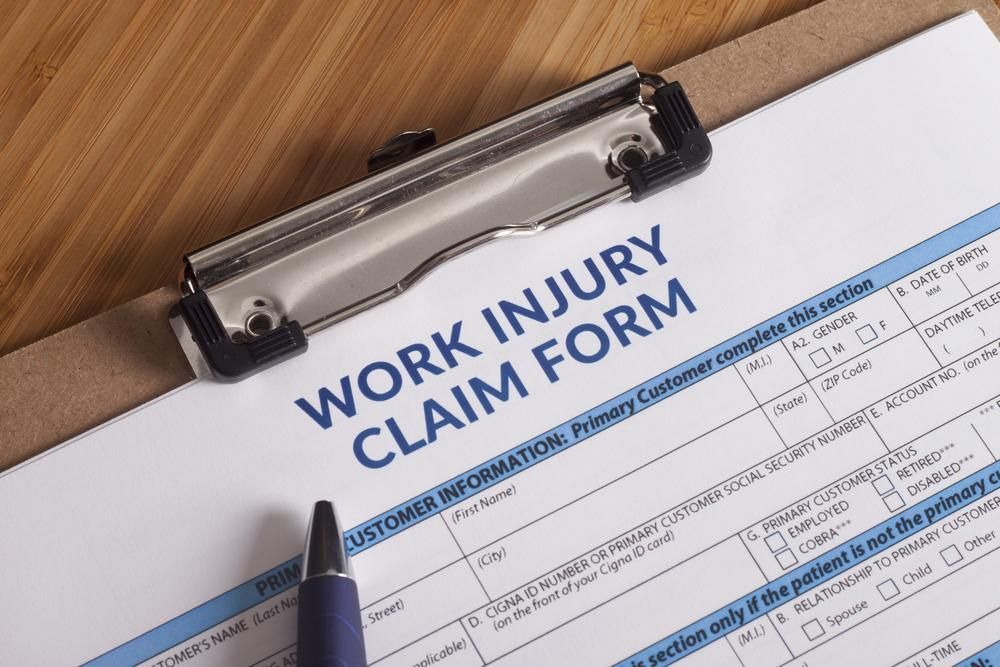
A motor vehicle accident claim in NSW is lodged through the CTP insurer of the at-fault vehicle, identified via the registration details of the vehicles involved. SIRA provides an online portal through which claims can be initiated.
There are strict time limits that apply to CTP claims. While there is some provision for late lodgement in certain circumstances, the general expectation is that a claim is lodged within a defined period of the accident. Delaying the process without understanding those timeframes is a risk.
Once lodged, the insurer will assess the claim, request medical information and in many cases arrange an independent medical examination of the claimant. Decisions about weekly payments, treatment approvals and impairment assessments are made by the insurer subject to review mechanisms if disputed.
The Ballina and Northern Rivers Context
The Pacific Highway corridor running through Ballina and the broader Northern Rivers region carries significant traffic volume — including heavy freight, tourists unfamiliar with local road conditions and local commuters. Coastal and rural roads across the region present their own risks, from narrow shoulders to wildlife and variable road surfaces.
The combination of highway traffic and regional road conditions means motor vehicle accidents in the Ballina area are not uncommon. Injuries sustained on these roads range from soft tissue injuries — which are more common and often underestimated in terms of ongoing impact — through to serious and life-altering injuries that fundamentally change a person's capacity to work and live independently.
For anyone involved in an accident in this region, understanding the CTP scheme and lodging a claim promptly is important regardless of perceived fault or the apparent severity of the injury at the time. Some injuries — particularly soft tissue and psychological injuries — can develop or become apparent in the days and weeks following a crash.
Why Navigating a CTP Claim Without Legal Advice Can Be Risky
The CTP insurer's role is to assess and manage claims within the scheme — and their interests and yours are not always aligned. Insurers make decisions about claim acceptance, treatment approvals, weekly payment rates and impairment assessments that directly affect what you receive. Those decisions can be disputed, but the process for doing so requires understanding the scheme's rules and the review mechanisms available.
Issues that arise without legal guidance may include:
- Accepting an early offer or settlement without understanding the full scope of entitlements
- Missing time limits for lodgement or disputing decisions
- Failing to document injuries and treatment in a way that supports the claim
- Not pursuing the serious injury threshold when the injury may actually qualify
- Misunderstanding what expenses can be claimed and failing to keep appropriate records
Personal injury lawyers in Ballina who work in this area understand the insurer's process, the scheme's rules and where decisions can be challenged. Engaging legal advice early in the process means decisions made by the insurer can be assessed against the scheme's rules as they occur, rather than reviewed after the fact when options may be more limited. For anyone searching for “lawyers near me” after a road accident in the Ballina region, local legal advice from someone who knows the NSW CTP scheme is a practical starting point.
No-Win, No-Fee Removes the Financial Barrier
One of the most common reasons people don't seek legal advice after a motor vehicle accident is concern about cost. A no-win, no-fee arrangement addresses that directly — legal costs are only payable if the claim is successful and are typically funded from the compensation received rather than paid upfront.
For anyone who has been injured in an accident and is uncertain about whether their claim is worth pursuing or whether they're entitled to more than they've been offered, speaking with a personal injury lawyer in Ballina carries no financial risk under a no-win no-fee arrangement. The assessment of your situation costs nothing and provides clarity on where you stand before any commitment is made.
Get in Touch
At Tony Love Lawyers, we work with people across Ballina and the Northern Rivers who have been injured in road accidents and want to understand what they're entitled to under the NSW CTP scheme. If you've been involved in an accident and are unsure whether to lodge a motor vehicle accident claim or how to approach the process, our team is available for an initial conversation at no cost and no obligation. Get in touch to discuss your situation.